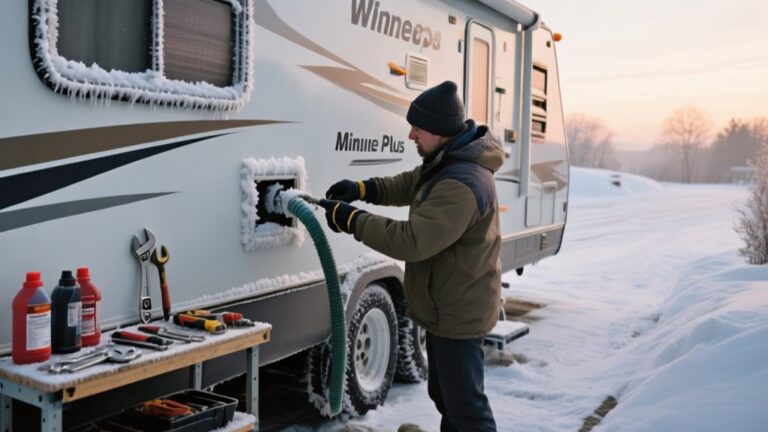
How Much Is A Small Winnebago – Full Breakdown
A small Winnebago typically costs between $80,000 and $150,000 new. Entry-level models start around $80,000, while fully upgraded versions can reach $150,000 or more.
If you’re looking at used models, usually 2-4 years old, you can save $20,000 to $50,000. These are often priced between $55,000 and $120,000 depending on features and condition.
Keep in mind, ownership costs like maintenance, insurance, and fuel add up over time. Financing usually spans 10-15 years at 7-9% interest.
Take your time to explore the details to find the best fit and value for your needs. It’s all about what works for you!
What Is a Small Winnebago? Popular Models Explained
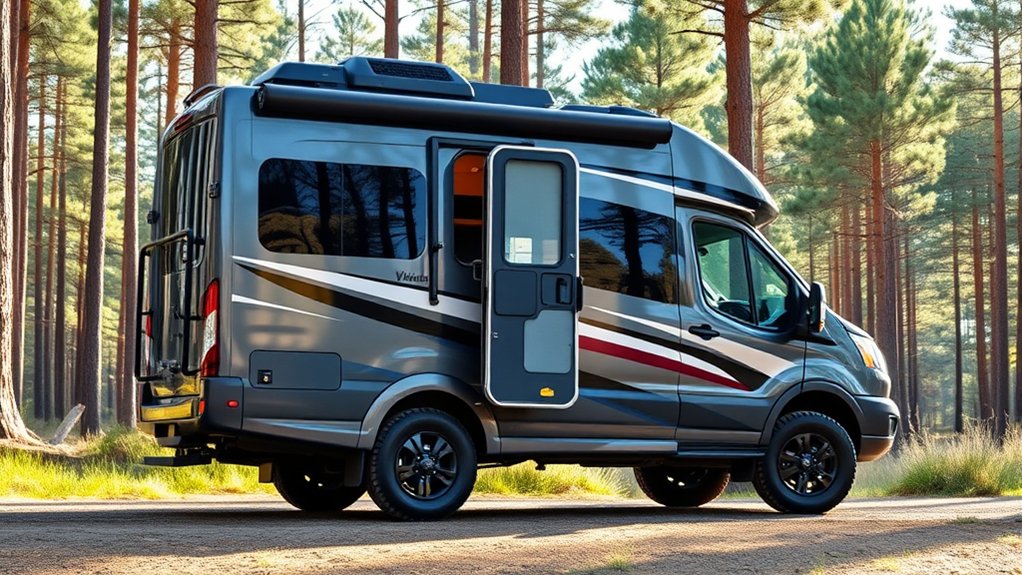
What makes a Winnebago “small,” and why might it be the perfect fit for your adventures? A small Winnebago usually means Class B camper vans or compact models designed for easy maneuvering and efficient travel.
You’ll find popular options like the Winnebago Solis, Revel, and Travato, each tailored to different travel needs. The Solis, based on the ProMaster chassis, is lightweight and versatile, comfortably sleeping up to four.
The Revel, built on a Mercedes Sprinter, stands out with off-road capability, a power lift bed, and a wet bath. It’s ideal if you crave rugged exploration.
These compact models provide convenience without sacrificing comfort.
They’re perfect if you want to explore without the hassle of a larger RV. They blend functionality with mobility for your next trip.
How Much Does a Small Winnebago Cost?

Although prices vary widely, you can generally expect a small Winnebago to cost between $80,000 and $150,000 depending on the model and features you choose. Entry-level models, like the Winnebago Solis, start around $80,000, while fully equipped versions can push past $150,000.
Used models from 2-4 years old offer a more affordable option, ranging from $75,000 to $120,000. Key factors impacting price include the vehicle’s size, layout, amenities, and whether it’s new or used.
| Model | Price Range | Notes |
|---|---|---|
| Winnebago Solis | $80,000 – $95,000 | Entry-level, basic setup |
| Used Models (2-4 yrs) | $75,000 – $120,000 | Affordable, lightly used |
| Fully Equipped | $130,000 – $150,000 | Premium features |
| Custom Upgrades | Varies | Adds to base price |
| Size/Layout Impact | Varies | Larger, more complex = more expensive |
Entry-Level vs Upgraded Small Winnebago Prices: What to Expect
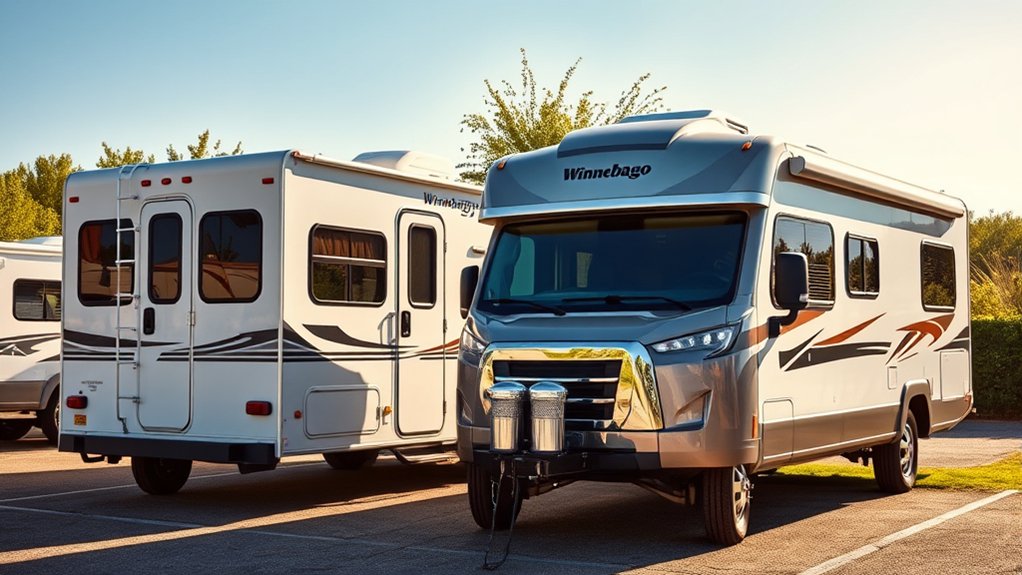
You’ll find entry-level small Winnebago models starting around $60,000 to $80,000. These offer the essential features you need for budget-friendly adventures.
On the other hand, upgraded versions can easily push past $90,000. They come with luxury finishes, advanced tech, and customizable options that really boost comfort and style.
Knowing how these features impact the price makes it easier to find the right balance between cost and amenities.
Base Model Pricing
When exploring small Winnebago options, you’ll find that base model prices start around $70,000 to $100,000 for entry-level versions. These models come equipped with essential amenities, providing a solid foundation for your travels without overwhelming your budget.
If you want something more luxurious, upgraded small Winnebago models typically range from $100,000 to $150,000. These higher-tier versions feature advanced technology, improved finishes, and extra appliances, enhancing comfort and convenience.
The price difference between entry-level and upgraded models generally falls between $30,000 and $50,000, influenced by model year, optional packages, and dealer location.
Understanding this pricing spectrum helps you set realistic expectations and make a confident choice based on your needs and budget.
Upgrade Cost Factors
Understanding what drives the price gap between entry-level and upgraded small Winnebago models can help you make smarter buying decisions.
Entry-level models typically range from $80,000 to $100,000, offering solid basics that get you on the road comfortably.
But when you opt for upgraded versions, expect to pay an additional $20,000 to $50,000 or more.
These upgrades include premium amenities like solar power, luxury interiors, and high-end appliances that really enhance your experience.
Custom cabinetry, advanced multimedia systems, and enhanced exterior packages also add to the cost.
Ultimately, the price difference boils down to whether you choose a basic setup or a fully loaded, premium package.
Knowing these factors helps you weigh what fits your budget and lifestyle best.
Feature Impact On Price
How much do the features really affect the price difference between entry-level and upgraded small Winnebago models? Entry-level models start around $70,000, offering standard furnishings and basic technology.
But if you want premium features like solar power, upgraded appliances, or advanced entertainment systems, expect the price to jump markedly, often exceeding $120,000. These upgrades add between $20,000 and $50,000 to the base price.
Luxury finishes, smart home integrations, extra sleeping areas, larger tanks, and enhanced suspension systems all contribute to higher costs.
So, when choosing, consider which features matter most to you.
The more sophisticated the amenities, the steeper the price. But they can transform your small Winnebago from basic to truly luxurious and functional on the road.
Which Features Affect the Price of a Small Winnebago?
Since you’re looking to invest in a small Winnebago, it’s important to know which features drive up the price. High-end appliances like convection microwaves and stainless steel refrigerators make a noticeable difference.
Interior upgrades such as theater seating, loft beds, and expanded slide-outs not only enhance comfort but also increase cost.
The materials used matter too. Premium cabinetry and flooring push prices higher.
You’ll also want to weigh optional add-ons like washer/dryer units and advanced multimedia systems, which add convenience but come at a premium.
Ultimately, the size and number of slide-outs directly affect the interior space and, consequently, the retail price.
How Do Customization Options Change Small Winnebago Prices?
When you customize a small Winnebago, you’ll notice the price can quickly climb depending on your choices. Upgrading interiors or opting for advanced technology packages can add several thousand dollars to the base price.
If you want specialized features like solar power systems or off-road packages, expect an increase between $5,000 and $15,000.
Selecting high-end materials for furnishings and cabinetry might tack on another $3,000 to $8,000. Adding amenities such as upgraded entertainment systems or enhanced insulation typically raises costs by $2,000 to $6,000.
Overall, the total impact varies based on how extensive and complex your options are. It often ranges from a few thousand dollars up to $20,000 or more.
Customization lets you tailor your Winnebago, but it pays to budget carefully. So, think about what you really want before making all those upgrades.
What Are the Ownership Costs Beyond Buying a Small Winnebago?
Once you own a small Winnebago, you’ll want to budget for ongoing maintenance and repairs to keep it running smoothly. It’s not just about buying it; things like oil changes, tire rotations, and unexpected fixes can add up over time.
Then there are insurance, registration, and fuel costs to think about. These expenses come around regularly, and they can really affect your monthly budget.
Plus, when you’re hitting the road, campground fees start to add up too.
Knowing all these costs ahead of time helps you plan better. That way, you’re not caught off guard, and you can enjoy your adventures without worrying about the bills piling up.
Maintenance And Repairs
Although buying a small Winnebago is a significant investment, you’ll need to budget for ongoing maintenance and repairs to keep it running smoothly.
Annual costs typically range from $500 to $2,000, depending on how much you use it and its age.
Routine upkeep includes inspections, fluid changes, and warranty services, often adding up to about $1,000 per year.
You should also expect expenses for replacing tires, batteries, appliances, and fixing water system issues, which can add several hundred dollars annually.
Unexpected repairs, like engine or transmission problems, might cost $3,000 or more if major parts need replacement.
Over five years, maintenance and repairs can total between $5,000 and $10,000, so it’s smart to plan for these ongoing costs beyond your initial purchase.
Insurance And Registration
Keeping your small Winnebago in great shape involves more than just maintenance and repairs. You also have to factor in insurance and registration costs.
Insurance typically runs between $1,200 and $2,500 annually, depending on your coverage choices and driving history.
Adding liability and all-encompassing coverage can raise your premiums, but they’re essential for peace of mind.
Registration fees vary by state, usually costing $100 to $300 each year for a small RV like yours.
Some states also require annual inspections or emissions testing, which add to ongoing expenses.
You might consider an extended warranty or service plan. These can cost several hundred dollars annually but protect you from unexpected repair bills.
Factoring in these costs helps you budget wisely beyond just the purchase price.
Fuel And Campground Fees
How much will it cost to fuel your small Winnebago and stay at campgrounds during your adventures? Fuel expenses typically range from $0.50 to $0.60 per mile, depending on the model and driving conditions. This can add up to $3,000 to $6,000 annually.
Campground fees vary widely, usually between $20 and $80 per night. National parks and private sites tend to be pricier. Many campgrounds offer discounts for weekly or monthly stays, which can help you save on extended trips.
Keep in mind, additional fees may apply for hookups, dump stations, and recreational amenities. Factoring in these costs guarantees you’re prepared for the full ownership experience beyond just the initial purchase price of your small Winnebago.
How Can You Finance a Small Winnebago? Loan Terms and Rates
When you finance a small Winnebago, you can typically secure RV loans with terms ranging from 10 to 20 years, thanks to their official motorhome classification. This classification opens doors to attractive loan options, making it easier to own your dream RV.
Interest rates usually fall between 7% and 9% for qualified buyers, balancing affordability with realistic repayment plans.
While longer terms lower monthly payments, they increase total interest, so most buyers choose 12 to 15 years to strike a balance.
Keep in mind, DIY conversions don’t qualify for these loans since they lack official motorhome titles.
Loan terms: 10 to 20 years, commonly 12 to 15 years
Interest rates: 7% to 9% for new models
Longer terms reduce monthly costs but raise total interest
Official titles enable better financing options
New vs Used Small Winnebago: Price Differences and Value
Although new small Winnebago models offer the latest features and full warranties, you can save considerably by opting for a used unit that’s just a few years old.
New models typically range from $80,000 to $150,000, while used ones, 2-4 years old, generally cost between $55,000 and $100,000. That’s a savings of $20,000 to $50,000 depending on condition and mileage.
While new units boast cutting-edge technology and full coverage, used Winnebagos may need some updates or repairs.
However, if you thoroughly inspect for water damage, battery health, and maintenance history, a used small Winnebago can deliver excellent value without sacrificing reliability.
This price difference makes buying used an attractive option if you want quality without the steep new price.
Is a Small Winnebago Right for You? Who Should Buy One and Why?
If you’re looking for a motorhome that blends convenience with versatility, a small Winnebago could be the perfect fit. It’s especially great if you want something compact yet fully equipped, making it easy to drive and park.
Whether you’re new to RVing or have limited storage space, this model offers an ideal balance of comfort and practicality.
Consider a small Winnebago if you prefer maneuverability on narrow roads and in national parks. Or if you’re seeking an affordable option with lower maintenance costs.
Maybe you enjoy weekend trips or part-time RVing with efficient fuel use. And if you value a versatile living space designed for one or two people, this could be your match.
This motorhome suits your lifestyle if you prioritize flexibility without sacrificing convenience. It’s a smart choice for those who want to keep things simple and easy while still having everything they need on the road.
Frequently Asked Questions
How Long Does It Take to Build a Custom Small Winnebago?
It takes you about 8 to 12 weeks to build a custom small Winnebago. Timing varies with your chosen features, peak seasons, and quality checks, so you should plan ahead and stay flexible during the process.
Keep in mind, every build is a bit different. So, while 8 to 12 weeks is a good estimate, things might shift depending on what you want and when you order. Just be ready to go with the flow!
What Are the Best Maintenance Tips for Small Winnebagos?
You should inspect roof seals regularly and change the oil every 5,000 to 10,000 miles. Checking tire pressure monthly is also important to keep everything running smoothly. Don’t forget to rotate your tires regularly to ensure even wear.
It’s a good idea to test your batteries often so you don’t get caught off guard. Also, make sure to have your propane system inspected annually. These simple steps will help keep your small Winnebago safe and reliable on the road.
Are Small Winnebagos Suitable for Off-Road Adventures?
Small Winnebagos generally aren’t built for serious off-road adventures. But if you pick models like the Revel that come with off-road features, you can handle rugged terrain a bit better.
It’s always a good idea to check the suspension, tires, and chassis before you hit rough trails. That way, you know your ride is ready for whatever comes your way.
How Does Insurance Cost Vary for Small Winnebagos?
You’ll find insurance costs for small Winnebagos vary based on your RV’s value, age, safety features, and location. Newer models with upgrades typically cost less, while urban or high-risk areas push premiums higher.
It really depends on where you park and how you use your RV. If you keep it in a safer neighborhood or a secured lot, you might pay less. But if you’re in a busy city or an area with higher theft or accident rates, expect to pay more.
What Are the Top Resale Value Factors for Small Winnebagos?
When it comes to resale, you’ll want to focus on solid build quality, low mileage, recent upgrades, and modern amenities. These factors really separate the wheat from the chaff and boost your small Winnebago’s value.
Think about what buyers are looking for—something reliable, with a few nice touches that show it’s been cared for. Keeping the mileage low always helps, and if you’ve updated any features recently, that’s a big plus. Modern amenities can make a big difference in how appealing your rig is on the market.
Conclusion
If you’re worried a small Winnebago won’t have enough space, think again. It’s designed to maximize every inch, blending comfort with mobility. With options ranging from entry-level to fully upgraded models, you can find one that fits your budget and lifestyle perfectly.
Plus, owning one means freedom to explore without sacrificing convenience. Whether new or used, a small Winnebago offers unbeatable value for adventurers ready to hit the road with ease and style.