Where Can I Park My RV Permanently – Top Picks
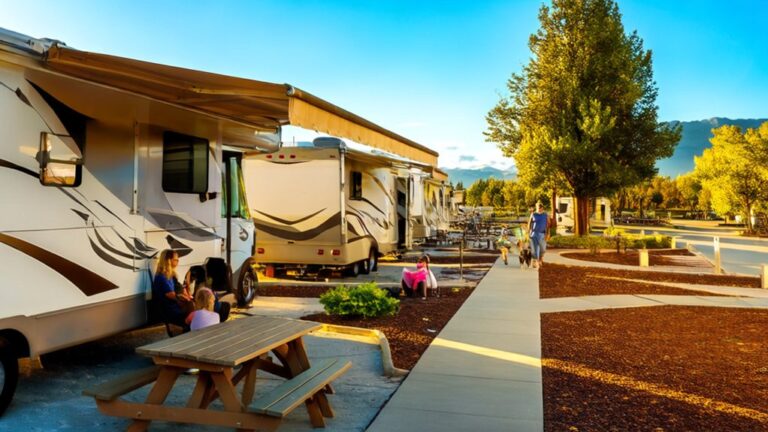
You can park your RV permanently at full-service parks like Blue Ridge Falls RV Resort. These places offer strong community vibes and great amenities. They’re perfect if you want a ready-made setup with all the comforts.
Alternatively, private rural land gives you the freedom to customize hookups and create your own space. Just make sure to check local zoning laws before you settle in. It’s all about finding the right balance.
Storage lots with security might work too, but they usually lack full amenities. So, while they’re good for safety, they might not feel quite like home. Balancing convenience, cost, and comfort is key for long-term parking.
Keep exploring to uncover tips for making your RV a true home. There’s plenty out there to help you settle in comfortably and enjoy the lifestyle.
Best RV Parks for Permanent Parking
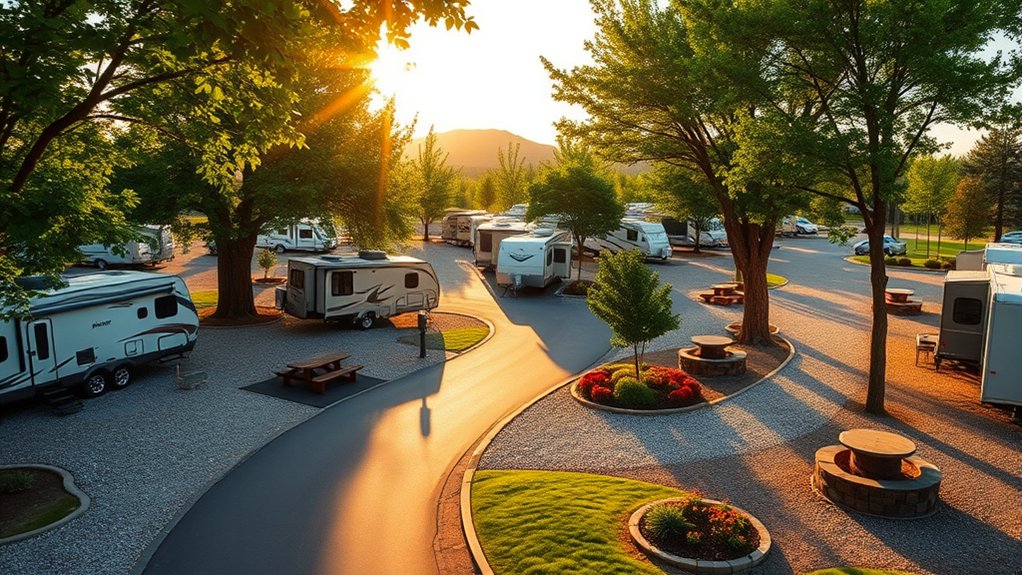
While many RV parks cater primarily to short-term visitors, you’ll find that some, like Blue Ridge Falls RV Resort and Boylston Creek RV Park & Cabins, stand out for their exceptional amenities and well-maintained sites designed specifically for long-term stays.
Some RV parks, such as Blue Ridge Falls and Boylston Creek, excel in amenities for long-term residents.
These parks understand your needs for comfort and stability, offering tailored services that make permanent parking feel like home.
Keep in mind, many parks are about 75% full of permanent residents, which means availability can be limited during peak seasons or special events.
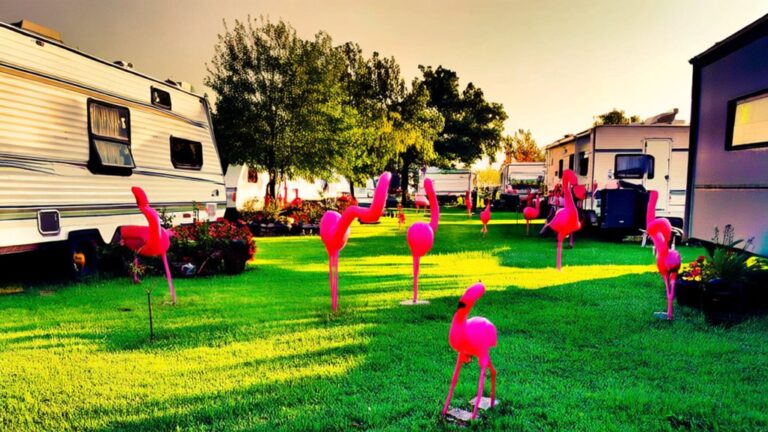
Long-term residents often personalize their spaces, planting trees or modifying their RVs, which adds a unique community vibe you might appreciate.
You’ll want to check each park’s management policies, as some reserve specific spots for long-term stays, affecting your options for permanent parking.
It’s worth asking ahead so you know what to expect and can plan accordingly.
Finding Private Land for Long-Term RV Parking
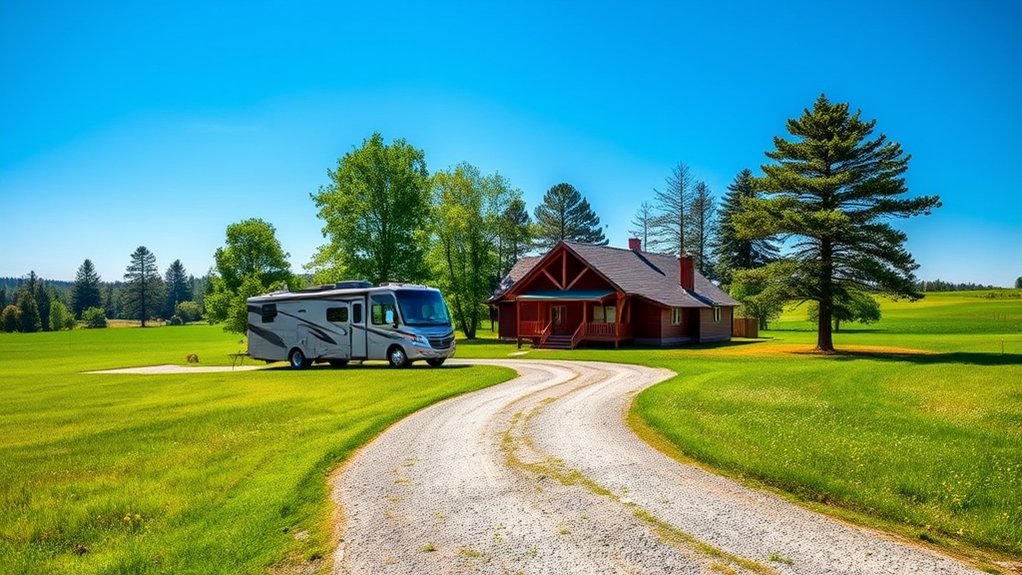
If you’ve explored RV parks for permanent parking but want more control over your space, private land offers a promising alternative. Many rural landowners welcome long-term RV parking, especially when their property has utilities like water, electricity, and septic systems.
Securing such land lets you customize your setup, installing hookups or building structures to enhance comfort and security.
Purchasing private land means you can create a dedicated spot tailored to your needs, giving you freedom and privacy.
While zoning laws might limit permanent RV parking, focusing on rural areas with available infrastructure increases your chances of finding suitable land.
With the right parcel, you can establish a comfortable, long-term home on wheels without the constraints of traditional RV parks.
Navigating Zoning Laws for Permanent RV Parking
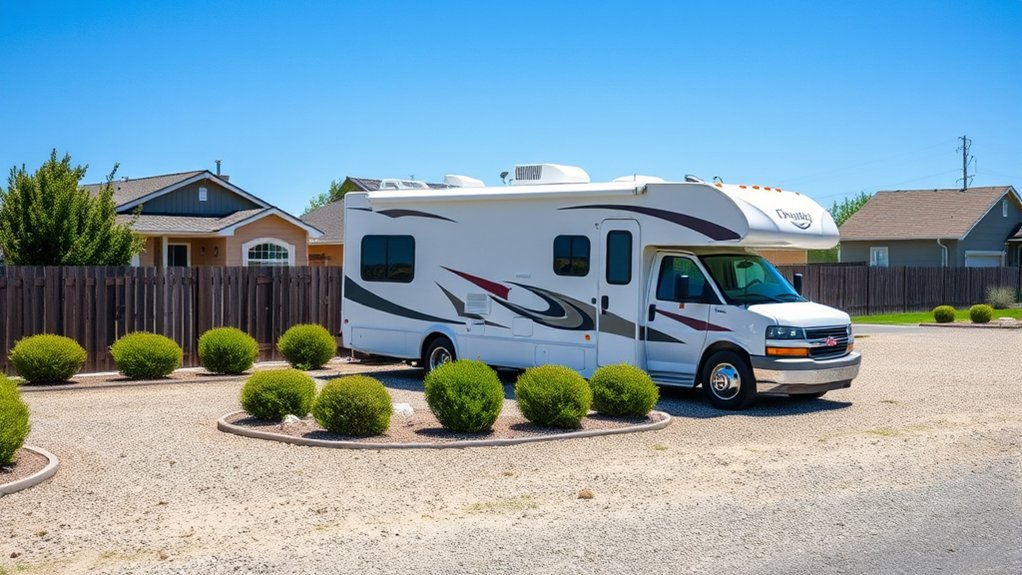
Because zoning laws vary widely, you’ll need to carefully research your local regulations before parking your RV permanently. Many areas restrict RV parking to specific zones or require permits to convert your RV into a residence.
Some places won’t allow long-term parking without a primary structure on the property. Checking with your local planning department helps you avoid fines and guarantees compliance.
| Location Type | Common Restrictions | Key Tip |
|---|---|---|
| Urban Areas | No long-term parking without permits | Confirm setback and lot size rules |
| Suburban Areas | Limits on RV as permanent residence | Get necessary variances or permits |
| Rural Areas | More lenient zoning, fewer restrictions | Verify local ordinances first |
| Recreational Zones | Only temporary parking allowed | Check duration limits |
What Hookups and Amenities You Need for Permanent RV Parking
Ensuring your RV has reliable hookups for electricity, water, and sewage is essential when planning for permanent parking. You’ll typically need electrical service between 30 and 50 amps to power all your appliances comfortably. Access to a steady water supply with high-pressure spigots keeps daily life running smoothly.
Dedicated sewer hookups let you manage waste conveniently without hauling tanks frequently. Many parks offer full-service sites that include these essential utilities, but some may require you to add infrastructure for full-time living.
Beyond the basics, think about amenities like cable or internet connections to boost your comfort and connectivity. Prioritizing these hookups and site features ensures your RV feels like home. That way, long-term parking stays practical and hassle-free.
Living in RV Parks With Permanent Residents: What to Expect
When you choose an RV park with permanent residents, you can expect a community that feels more like a neighborhood than just a temporary stop. It’s a place where people settle in and make it their home for the long haul.
Because of that, site availability might be a bit limited. Long-term campers often customize their spaces and stay year-round, so spots don’t open up as often.
This dynamic really shapes how the park operates. It also affects how easily you can find a spot if you’re just coming for a short visit. So, it’s a good idea to plan ahead and be prepared for a different experience than a typical short-term RV park stay.
Permanent Residency Impact
Although RV parks often cater to travelers seeking short stays, many now feature sections where permanent residents make their homes, sometimes occupying nearly half the sites. This shift changes how you experience the park, affecting availability and atmosphere.
Permanent residents often personalize their spaces by modifying RVs for full-time living, like removing wheels and planting trees. They also utilize amenities designed for long-term comfort, such as community centers.
You’ll find them participating in organized activities that foster a close-knit community. They also influence park management and reservation policies to suit full-time living.
Because of this, there’s less spontaneous short-term site availability due to occupied spots.
Understanding these impacts helps you set expectations and choose a park that fits your lifestyle. Whether you’re a transient visitor or looking for a permanent spot, it’s good to know what you’re getting into.
Park Dynamics And Availability
How does living in an RV park filled with permanent residents affect your stay? You’ll find many parks about 75% occupied by residents whose RVs often look like mobile homes, modified with sheds, trees, and even removed wheels.
These long-term residents usually stay 30 to 60 days or more, sometimes filling half the park, which limits availability for short-term visitors. Parks often reserve spaces for permanent campers, so finding a spot can be challenging if you’re just passing through.
On the upside, the presence of full-time residents creates a close-knit community with activities and shared amenities, offering a social vibe unlike typical transient camping.
Understanding these dynamics helps you set expectations and choose a park that fits your lifestyle, whether you’re staying briefly or settling in permanently.
Converting Your Property Into an RV-Friendly Space
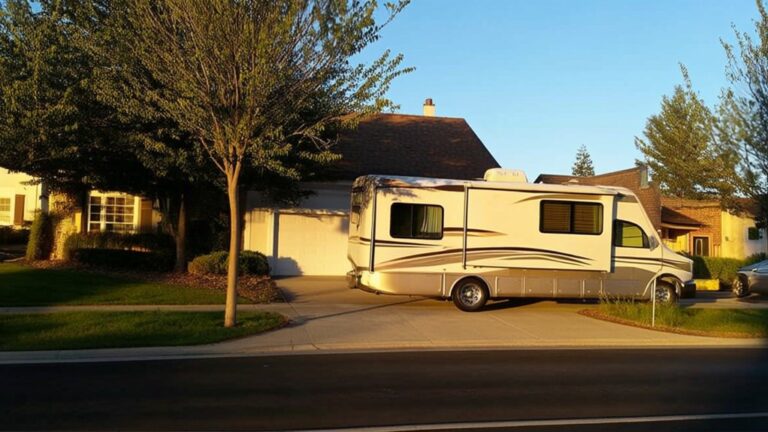
Before you can park your RV permanently on your property, you’ll need to transform the space to support your mobile lifestyle comfortably and legally. Start by checking local zoning laws to confirm permanent RV parking is allowed.
Next, think about installing essential utilities like water, electricity, and sewage systems to make your RV feel like home.
Level your parking area with gravel or concrete pads to provide stability and easy access.
Make sure to designate clear pathways and boundaries to keep the space organized and safe.
Finally, add outdoor features such as fire pits, picnic tables, or sheltered areas to boost comfort and usability.
Verify local zoning and land use regulations
Install water, electrical hookups, and septic systems
Level parking area with gravel or concrete
Create pathways, boundaries, and proper drainage
Add outdoor amenities for relaxation and convenience
Storage Facilities and Secure Lots for Permanent RV Parking
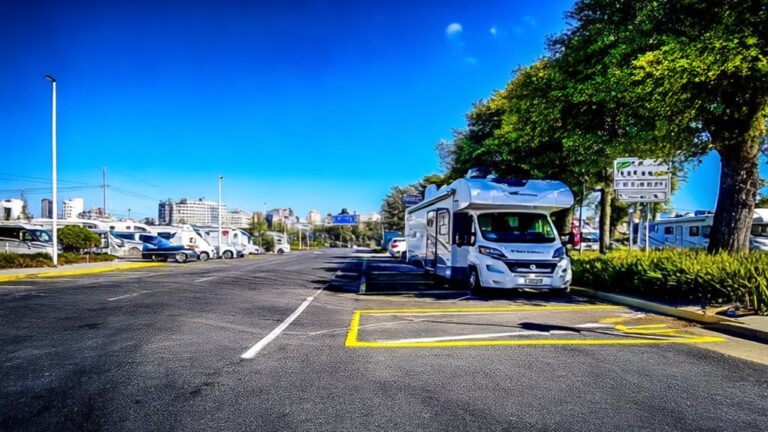
If transforming your property isn’t an option, storage facilities and secure lots offer a practical alternative for parking your RV permanently. Many provide gated, well-monitored spaces with 24/7 surveillance, keypad access, and on-site management to keep your vehicle safe.
Some even offer climate-controlled units or covered parking to shield your RV from harsh weather.
Climate-controlled units and covered parking protect your RV from extreme weather conditions.
Choosing a location near urban centers might give you added perks like electrical hookups, dump stations, and on-site maintenance, making upkeep easier.
Before committing, check each facility’s access hours, insurance requirements, and any residency restrictions to avoid surprises.
With these features, storage lots combine security and convenience, providing peace of mind when you need a reliable, long-term parking solution for your RV.
Planning Your Budget for Long-Term RV Parking
You’ll want to compare monthly costs carefully. Full-time RV parks average around $350 but can vary widely depending on location and amenities.
It’s a good idea to think about what you’ll gain with community centers, pools, or activities—and whether those perks justify the price.
Planning ahead lets you balance comfort and cost so you can create a budget that works for the long term.
Monthly Costs Comparison
Comparing monthly costs for long-term RV parking helps you plan your budget wisely and avoid surprises. You’ll find a wide range depending on location, amenities, and season. Consider these points as you evaluate options:
Full-time RV park rentals average about $350/month, which is slightly cheaper than a Motel 6 nightly rate.
Retirement communities with RV spots can exceed $2,600 monthly, reflecting upscale living.
RV resorts typically charge around $600 plus electric fees, balancing comfort and cost.
Many parks include utilities like water and electricity in monthly fees, but be sure to check the specifics.
Seasonal peaks or events can raise costs, so factor in fluctuations to avoid budget gaps.
It’s always a good idea to ask about any extra fees before you commit.
Amenities Versus Expenses
While choosing a long-term RV parking spot, balancing amenities against expenses plays a crucial role in shaping your daily life and budget. Monthly fees can range from $350 in basic RV parks to over $2,600 in upscale retirement communities.
Parks with full hookups, like electric, water, and sewer, cost more but offer convenience that makes extended stays comfortable.
Extras like laundry facilities, fishing ponds, and recreational activities add to the fee but really enrich your experience. If you’re aiming to save, affordable parks with minimal amenities might lack hookups or services. That means you’ll need to be more self-sufficient.
When planning your budget, weigh the comfort and convenience of amenities against their costs and any extra utility or maintenance fees. Finding the right balance will make your long-term stay much more enjoyable.
Finding Community and Support for Full-Time RV Living
Because many RV parks now host a growing number of permanent residents, you can find a vibrant community that supports full-time RV living. These communities offer more than just a place to park. They create a network where you can connect, learn, and thrive.
You’ll enjoy organized social events and workshops that help you make friends. There are designated sections tailored for long-term residents too. Plus, amenities like community centers and craft rooms make it easy to feel at home.
You’ll meet diverse neighbors, including retirees and local workers. And if you need advice or support, online forums like RV LIFE Community are great resources. It’s all about finding your people and making the most of full-time RV living.
Frequently Asked Questions
How Do I Insure My RV for Permanent Living?
You’ll want to get a specialized full-time RV insurance policy and be upfront about your permanent living plans.
Make sure to include all-encompassing coverage, plus personal property and liability protection.
Don’t forget to install safety features—they can help you snag some discounts.
And keep your coverage updated regularly to stay fully protected.
What Are the Best Internet Options for Full-Time RV Residents?
Think of your internet like a lifeline. Verizon’s 4G/5G works great in urban spots.
For remote areas, Starlink or HughesNet are solid options. Boosters and mobile hotspots help keep your signal strong.
This way, you stay connected no matter where you roam.
Can I Receive Mail and Packages at a Permanent RV Location?
Yes, you can receive mail and packages at permanent RV spots. Just coordinate with the park or use mail forwarding services like Escapees. Many parks offer mailbox options, but always check their specific policies first.
It’s a good idea to ask about any rules or restrictions before you set up your mail delivery. That way, you won’t run into surprises later on. Getting your mail sorted makes life on the road—and at your permanent spot—much easier.
How Do I Handle Waste Disposal Legally and Safely?
Handling waste legally and safely is like following a recipe. Connect your RV to permitted sewer hookups or use authorized dump stations. Always seal waste properly to avoid spills.
Wear gloves when dealing with waste and clean your equipment afterward. This helps protect the environment and keeps you compliant with the rules.
It’s pretty straightforward once you get the hang of it. Just stick to the guidelines, and you’ll be all set!
What Are Common Maintenance Challenges for Permanently Parked RVS?
You’ll face challenges like roof leaks, tire dry rot, and plumbing issues if you leave your RV parked long-term. Regular inspections, moving tires, and maintaining electrical systems help prevent damage and keep everything running smoothly.
It’s important to check on your RV often. Moving the tires a bit can stop dry rot from setting in. Also, keeping an eye on the plumbing and roof can save you from bigger headaches later on.
Conclusion
You might think permanent RV parking is impossible, but with the right research and planning, it’s totally doable. Whether you choose a welcoming RV park, private land, or convert your own property, you can create a comfortable, long-term home on wheels. Just remember to check zoning laws and amenities carefully.
Embrace the adventure, and you’ll find a vibrant community and freedom that proves living full-time in an RV isn’t just a dream, it’s your next reality.