Where Can I Park My RV To Live For Free – Here’s Where
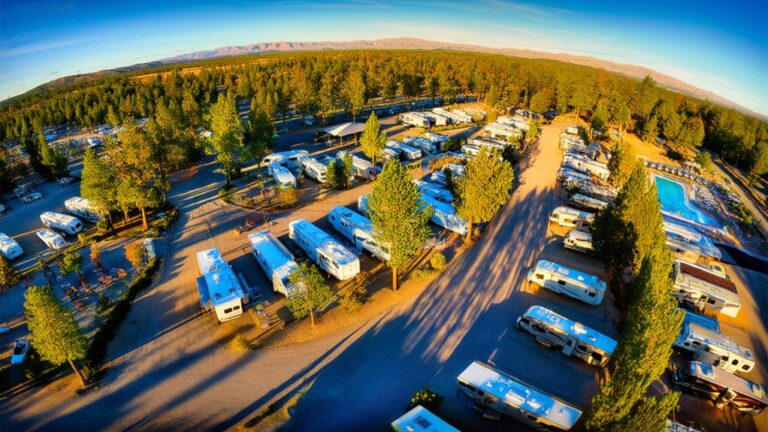
You can park your RV for free on public lands like BLM areas and national forests. Dispersed camping lets you stay up to 14 days in scenic, quiet spots.
Big-box stores and truck stops often allow overnight parking. Just ask permission and follow their rules.
You can also find private land hosts through apps offering peaceful, legal spots with amenities. Staying safe, courteous, and informed helps you enjoy your journey.
Want to discover the best places and insider tips?
Public Lands for Free RV Parking

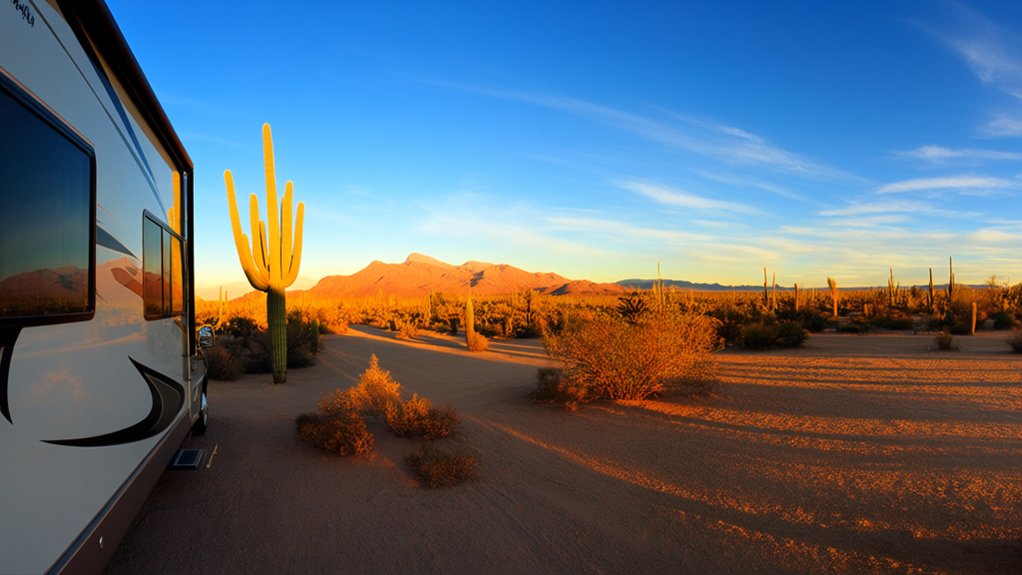
Although it might take some effort to find the perfect spot, public lands like BLM and National Forests offer fantastic opportunities to park your RV for free. You’ll discover dispersed camping areas where you can stay up to 14 days without paying fees or needing permits.
Public lands like BLM and National Forests provide free dispersed camping for up to 14 days, no permits needed.
These sites are often remote and scenic, giving you a quiet, off-grid experience surrounded by nature.
Access is usually via forest roads or designated spots within public land boundaries. To find these spots, you can use apps like Free Campsites or Campendium, which help locate legal and suitable free overnight parking.
Just remember to follow Leave No Trace principles to keep these beautiful places clean and accessible for everyone.
Retail and Store Parking Lots Allowing Overnight RV Stays
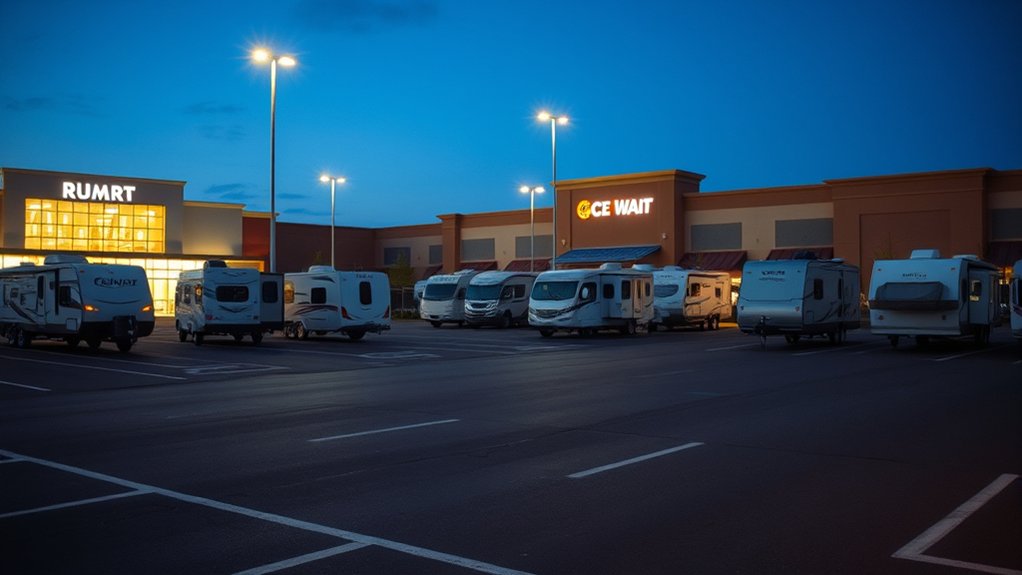
If you’re looking for convenient spots to park your RV overnight, big-box stores like Walmart and Home Depot often welcome you with open arms. Just be sure to get permission first—it’s always better to ask than to assume.
These lots usually offer well-lit, spacious areas that make settling in easy and safe.
And remember, following the store rules and respecting the space helps keep this option available for everyone. So, a little courtesy goes a long way when you’re making yourself at home for the night.
Popular Store Parking Spots
Where can you find a convenient and free spot to park your RV overnight? Popular store parking lots like Walmart, Costco, and Home Depot often welcome RVs for free overnight stays. Walmart, especially its 24/7 locations, is a favorite because of spacious lots and easy access.
However, policies differ, so it’s smart to ask the store manager for permission before settling in. You’ll want to park discreetly, usually toward the back, to avoid disrupting shoppers or staff.
Keep an eye on signage and local rules, as some stores limit overnight parking to 24-48 hours or prohibit it altogether.
With a little planning, these retail spots provide practical, no-cost options for your RV living adventure. Just be courteous and follow the rules, and you’ll have a great place to rest up for your next journey.
Permission and Etiquette
Before you settle your RV for the night in a retail parking lot, always ask the store or business management for permission. It’s essential to check signage and local rules to verify overnight stays are allowed. This way, you can avoid fines or being asked to leave.
When you park, choose a discreet spot away from busy entrances or main traffic lanes to minimize disturbance. Try to limit your stay to 24-72 hours unless you get explicit approval for longer.
Avoid setting up extensive camping gear or making any permanent changes to the area.
Be courteous: clean up after yourself, don’t block access roads or fire lanes, and respect the space.
Following these simple guidelines helps maintain good relationships. That way, you and others can continue enjoying convenient overnight parking options.
Safety and Best Practices
When you park your RV overnight in a retail or store lot, prioritizing safety guarantees a hassle-free stay and protects both you and the property. To keep things smooth and secure, follow these best practices:
- Always ask permission from store management before settling in for the night to avoid any misunderstandings.
- Choose a spot away from main entrances, heavy traffic, gas pumps, loading zones, and fire lanes to minimize risks.
- Limit your stay to 24-72 hours, and check local signs or policies to stay compliant.
- Keep noise low, respect the property, and clean up after yourself to maintain goodwill for future visits.
Overnight Parking Rules at Truck Stops and Rest Areas
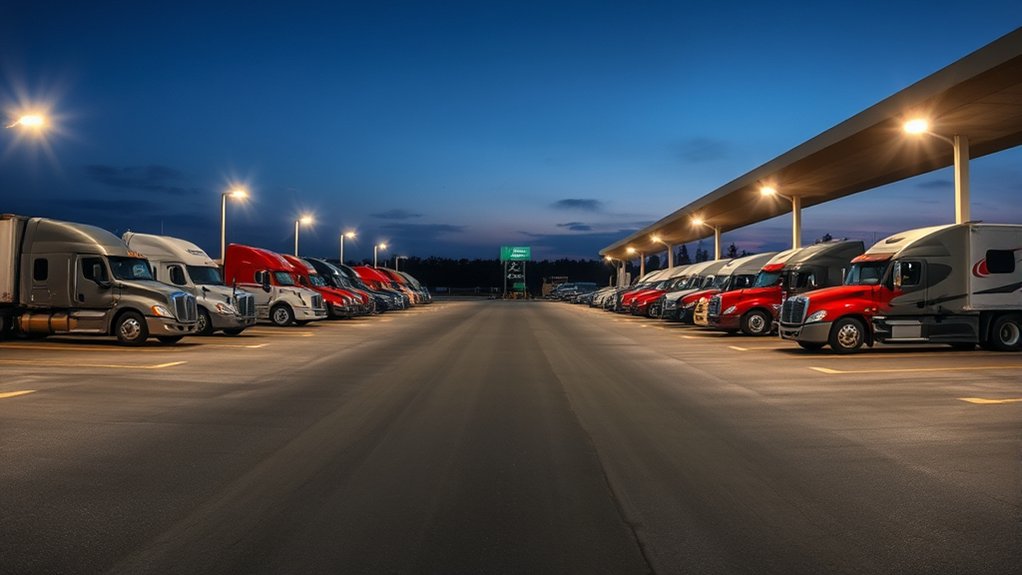
Although policies vary widely, many truck stops and rest areas welcome RVers to park overnight. This can be a convenient and often free option for rest. You’ll find that places like Pilot, Flying J, and Loves usually have designated spots with amenities like showers and restrooms.
However, it’s essential to check posted signs or ask staff about specific rules. Some locations limit parking to 8 to 10 hours or require permits.
Rest areas often restrict overnight stays during peak times or certain seasons, so you’ll want to plan accordingly.
Always park discreetly, away from heavy traffic, and respect local regulations. By following these guidelines, you can enjoy a safe, legal overnight stay.
That way, you’ll recharge for your next adventure without any hassle.
Private Land Options for Free RV Parking
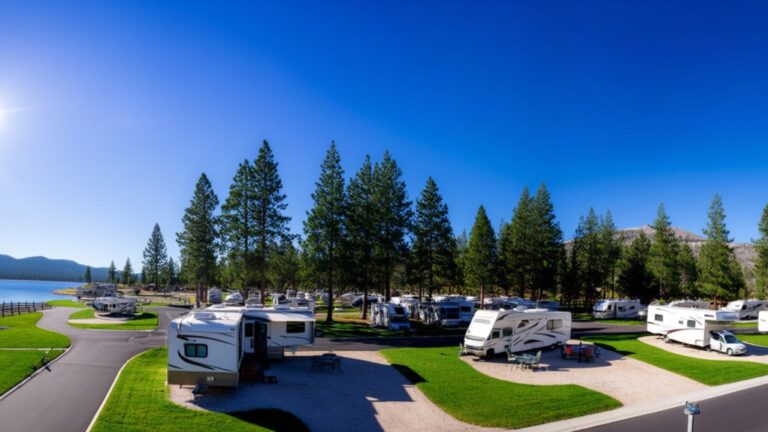
If you’re looking for quiet, scenic spots to park your RV for free, connecting with private landowners is a great way to go. Networks like Boondockers Welcome and Harvest Hosts make this super easy.
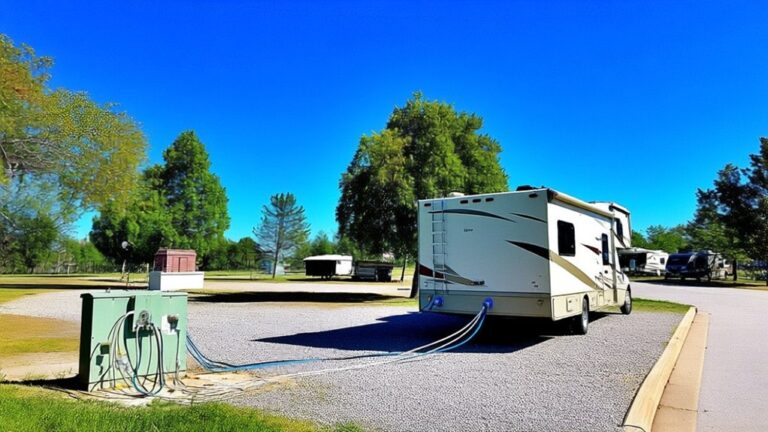
By joining these memberships, you get access to thousands of hosts who often offer handy amenities like water and electricity. That definitely makes your stay a lot more comfortable.
And honestly, staying on private property gives you a peaceful vibe that public campgrounds just don’t have.
Plus, it’s a cool chance to build local connections along the way.
Boondocking Host Networks
If you want to experience free RV parking on private land, boondocking host networks provide an incredible opportunity. These networks connect you with thousands of hosts across North America who welcome RV travelers to stay overnight on their private properties. Often, these spots come with hookups like electricity and water.
For a membership fee about the cost of one campground night, you gain access to a vast community of generous hosts. Here’s why boondocking host networks stand out:
- Access over 3,675+ private host locations
- Search and contact hosts easily via mobile apps
- Stay in quiet, scenic, and comfortable spots away from crowds
- Rely on community reviews for safe, trustworthy stays
Boondocking host networks open doors to unique, cost-free RV parking beyond traditional campgrounds. It’s a great way to explore and enjoy new places without breaking the bank.
Private Property Benefits
When you choose to park your RV on private property, you open a world of peaceful, scenic spots that often come with unexpected perks. Unlike crowded campgrounds, private land offers quiet, secluded areas where you can truly unwind. Many hosts welcome travelers warmly, creating opportunities to build personal connections that enrich your journey.
Some even provide valuable amenities like electricity and water hookups, making your stay more comfortable. Platforms like Harvest Hosts connect you with private landowners enthusiastic to share unique locations, letting you explore beyond traditional camping spots.
This kind of boondocking not only saves money but also gives you a chance to experience hidden gems, enjoy privacy, and create memorable moments in beautiful, tranquil settings away from the bustle. It’s a great way to make your RV adventure feel more personal and relaxed.
Best Apps for Finding Free RV Parking
Where can you find reliable free RV parking spots without endless searching? These handy apps guide you straight to the best locations, saving you time and effort. Here are four top picks:
Discover reliable free RV parking effortlessly with these top apps guiding you straight to the best spots.
- Campendium – Detailed maps and user reviews help you spot free parking nationwide.
- All-Stays – Offers extensive listings with community feedback to guarantee good experiences.
- RV Life – Use filters for free campsites and verified spots, making overnight parking easier to find.
- iOverlander – A crowdsourced app offering unique, community-submitted free camping locations. Just double-check the details.
Bonus: The Dyrt app also features free camping searches, though some filters require a subscription. These apps let you plan your route efficiently, find safe spots, and tap into community wisdom for your next free RV stay.
Safety and Etiquette for Free RV Parking
Although free RV parking offers great convenience and savings, you’ll want to prioritize safety and respect for each spot you choose. Always verify if overnight parking is allowed. Check signs or call ahead to avoid fines.
Park away from busy traffic and entrances to stay safe and minimize disturbance. It’s a simple way to keep things peaceful for everyone around you.
Respect local rules and private property to maintain goodwill. Keep noise low, especially at night. And always leave the area spotless by following Leave No Trace principles.
| Safety Tip | Why It Matters |
|---|---|
| Verify parking permissions | Avoid fines and forced removal |
| Park away from traffic | Ensure your safety and peace |
| Keep noise down | Respect neighbors and owners |
Tips to Plan Your Free RV Living Adventure
To make the most of your free RV living adventure, you’ll want to carefully plan each stop to guarantee safety, legality, and comfort. Start by researching designated overnight spots using apps like All-Stays or Campendium to avoid surprises. Always get permission before parking on private or commercial lots, so you don’t risk fines or conflicts.
Plan each stop carefully using apps like All-Stays to ensure safe, legal, and comfortable free RV parking.
Plan your route to include varied, safe locations such as BLM land, national forests, or retail lots.
Finally, limit your stay to 24-72 hours unless otherwise allowed, preventing violations or being asked to leave.
- Verify parking legality and safety with trusted apps.
- Request permission from property owners ahead of time.
- Include diverse, permitted free sites in your route.
- Carry essentials and respect Leave No Trace principles.
Frequently Asked Questions
Can I Receive Mail While Living in My RV for Free?
You can receive mail while living in your RV for free by using mail forwarding services like Escapees or Good Sam. They’ll provide you a stable address, scan your mail, and handle packages legally and conveniently.
These services make it super easy to keep up with your mail no matter where you roam. Plus, you don’t have to worry about missing important letters or packages. It’s a great way to stay connected without a permanent home base.
How Do I Manage Utilities Like Water and Electricity Off-Grid?
Imagine tapping solar panels as sunlight pours in. You’ll store power in batteries, filter water from nearby streams, and use low-flow fixtures.
You’ll juggle tanks, generators, and smart appliances, keeping your off-grid life comfy and sustainable. It’s all about balancing resources and making smart choices that fit your lifestyle.
What Are the Best Ways to Handle Waste Disposal on the Road?
You should use designated dump stations to empty tanks safely, carry biodegradable waste bags, and consider portable composting toilets. Always clean your tanks regularly and check local rules to keep your waste disposal responsible and eco-friendly.
It’s a good idea to stay on top of cleaning so things don’t get messy. Plus, knowing the local regulations helps you avoid any trouble and keeps the environment happy. Using these tips makes traveling with waste management a lot easier and greener!
Are There Specific Insurance Considerations for Free RV Living?
Start by sharing your stay specifics with your insurer since some see free RV living as a primary place.
Check coverage carefully. Many policies exclude long-term, off-grid spots. Clarifying limits keeps you confidently covered.
How Can I Maintain Internet Connectivity While Parked for Free?
You can maintain internet connectivity by using a mobile hotspot with unlimited data. Installing a cellular signal booster also helps improve your connection. Parking near cell towers can make a noticeable difference in signal strength.
Tapping into public Wi-Fi is an option, but be cautious about security. Another reliable choice is subscribing to satellite internet like Starlink for consistent service. These methods can keep you connected while parked without breaking the bank.
Conclusion
Living free in your RV is more than possible. It’s smart and adventurous too. Did you know that over 20% of RVers rely on public lands for free overnight stays?
By exploring public lands, retail lots, and private options, you can stretch your budget while enjoying new places. Just remember to follow safety tips and local rules. With the right apps and a bit of planning, your free RV living adventure can be both safe and unforgettable.