Questions To Ask When Buying An RV Park – Guide
When buying an RV park, ask about location advantages like nearby attractions and access, plus site types and amenities that affect pricing and occupancy. Review financials thoroughly. Check profit trends, operating costs, and occupancy rates against industry standards.
Understand daily operations, staffing needs, and seasonal impacts on income. Don’t forget legal compliance, permits, and seller motivation to spot potential risks. These questions help you spot issues early and make confident investment choices.
Keep exploring to uncover more critical details.
How Does Location Affect RV Park Success?

When you’re appraising an RV park, location plays a critical role in its potential success. You want a site close to popular attractions, highways, or recreational areas, as these draw steady traveler traffic.
Location is key when appraising an RV park, ideally near attractions and highways to attract steady traveler traffic.
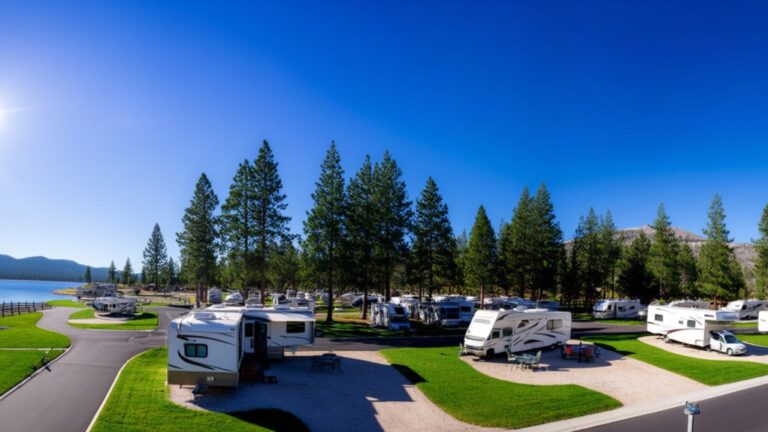
Parks near lakes, rivers, or scenic views often attract long-term and seasonal guests, which boosts revenue.
Accessibility matters too. Make sure the park is easy to find with clear signage and good road access to capture both walk-ins and online bookings.
Also, consider the regional climate and local tourism growth trends since they directly influence occupancy rates throughout the year.
A park in a high-traffic vacation spot can command higher rates and maintain consistent bookings.
How Site Types and Pricing Drive RV Park Revenue

You’ll want to take a close look at the mix of site types—like pull-through, back-in, and waterfront—and see how each one influences your pricing power.
Setting the right rates, especially for those premium or scenic spots, can really give your revenue a nice boost.
Plus, think about adding cabins or glamping units; they’re great for diversifying your income and bringing in more guests all year long.
Site Types Overview
How do different site types impact your RV park’s revenue? Each site type, like full hookup, partial hookup, and premium waterfront, plays a key role.
Waterfront sites, for example, typically cost about $4,200 annually and command higher daily rates, often under $11.50. This helps boost your profitability.
Offering a mix of options—including tent sites, cabins, and glamping units—diversifies your income and attracts a variety of guests.
Premium sites with scenic views or larger spaces allow you to charge more per night, which increases your bottom line.
Don’t overlook site size, accessibility, and essential amenities like sewer, water, and electric hookups. These factors directly influence guest satisfaction and your park’s revenue capacity.
Balancing site types thoughtfully guarantees you maximize occupancy and profitability while meeting different customer preferences. It’s all about giving guests what they want and making the most of your space.
Pricing Strategies Impact
Because site types vary widely in features and appeal, your pricing strategy needs to reflect those differences to maximize revenue. Waterfront and premium pull-through sites, for example, can command higher rates, which directly boosts your income.
You should set competitive daily, weekly, and monthly prices tailored to each site’s location and amenities. This helps ensure strong occupancy and profit margins.
Offering discounted long-term leases, typically 29-41% off, helps stabilize your cash flow and reduce vacancy.
Adjusting rates seasonally and using dynamic pricing based on demand can further optimize revenue throughout the year.
Don’t forget to factor in utility hookups and amenities costs. These heavily influence how you price different site types and impact your overall profitability.
Revenue Diversification Methods
When diversifying your RV park’s revenue, offering a variety of site types like RV spots, tent sites, cabins, and glamping units can attract a wider range of guests and increase occupancy.
You’ll want to set tiered pricing based on site features, location, and seasonality to maximize revenue per reservation. Premium sites with waterfront views or large pull-throughs justify higher nightly rates, boosting overall income.
Beyond site rentals, consider additional streams such as retail sales, recreational equipment rentals, and event hosting to stabilize cash flow.
Understanding how each site type and pricing strategy affects occupancy and average daily rates is critical. This practical approach guarantees you optimize profitability while catering to diverse guest preferences effectively.
What Financial Metrics to Review for RV Park Purchases

Start by reviewing the park’s profit and loss statements. This will help you spot trends in revenue and expenses over the past few years.
Then, take a look at occupancy rates and revenue per site. These figures show how well the park is filling up and generating income.
Together, these numbers give you a clear picture of the park’s financial health and its potential for growth.
Profit And Loss
Although purchasing an RV park involves many factors, scrutinizing the profit and loss statements is essential to understanding its financial health. Review at least three years of statements to spot revenue trends, operating expenses, and net income stability.
Calculate the capitalization rate by dividing net operating income by the purchase price to gauge investment return. Explore utility costs, payroll, maintenance, and marketing expenses to identify where you can improve efficiency and boost profitability.
Confirm reported revenue matches bank statements, reservation records, and tax returns to avoid surprises. While occupancy rates matter, focus here on verifying that the financials are accurate and consistent.
This detailed analysis gives you a clear picture of the park’s true earning potential before making a commitment.
Occupancy And Revenue
After confirming the accuracy of profit and loss statements, you should focus on occupancy and revenue metrics to get a fuller picture of the park’s performance. Review occupancy rates over at least three years, noting seasonal trends and fluctuations. Check vacancy rates and waitlists to gauge utilization and growth potential.
Analyze gross income and net operating income (NOI) to understand profitability. Compare these figures with industry benchmarks to evaluate financial health accurately.
| Metric | What to Look For |
|---|---|
| Occupancy Rate | Consistency and seasonal variation |
| Vacancy Rate | Low rates indicate high utilization |
| Gross Income | Total park revenue trends |
| Net Operating Income | Profitability after expenses |
This detailed review helps you identify opportunities and risks in the RV park’s revenue streams. It’s a great way to see where things are going well and where you might need to make some changes.
What Day-to-Day Operations Should You Know Before Buying?
Before you commit to buying an RV park, you’ll want to thoroughly understand how daily operations run to guarantee you can maintain smooth, efficient management. Start by reviewing guest check-in and check-out flows, staffing needs, and any automation tools in place.
Get clear on routine maintenance, like landscaping, utility repairs, and sanitation schedules. These keep the park functional and inviting.
Understand how on-site amenities like bathhouses, laundry, and recreational areas are managed, maintained, and regulated for guest use. Investigate security measures including gate access, surveillance, and emergency protocols.
Finally, learn how the park handles small repairs, resolves customer service issues, and communicates daily with guests. Knowing these details helps you assure operational consistency and high guest satisfaction from day one.
How Seasonality Impacts RV Park Income and Staffing
Understanding daily operations sets a strong foundation, but you’ll also need to factor in how seasonality shapes both income and staffing demands at an RV park.
If the park’s in a colder region, expect income to concentrate between May and October. You’ll rely on return guests and advance bookings to maximize revenue during these months. Off-season, plan for maintenance and reduced staffing, often closing amenities to cut costs.
In milder climates, year-round parks bring steady cash flow but require consistent staffing levels. You’ll need to adjust schedules to meet fluctuating demand.
Managing employees means balancing adequate coverage during peak times while minimizing payroll during slower periods. Understanding these seasonal shifts helps you forecast cash flow accurately and staff efficiently, which are critical to profitable RV park ownership.
What Legal and Regulatory Issues Affect RV Park Ownership?
Since RV park ownership involves more than just managing guests and amenities, you’ll need to navigate a complex web of legal and regulatory requirements.
First, verify zoning laws and land use regulations to confirm the property’s legal designation for RV park operations.
Next, review all local, state, and federal permits, especially those covering utilities, septic systems, and environmental compliance.
Be sure you understand eviction laws and stay duration limits, which can vary widely by location.
Don’t overlook applicable taxes, such as hotel or transient occupancy taxes, which impact your revenue and compliance obligations.
Finally, conduct environmental assessments like Phase I reports to uncover contamination risks or regulatory restrictions that could affect your use of the property.
Staying proactive on these issues helps you avoid costly legal pitfalls.
How to Evaluate Seller Motivation and Park Condition
Managing legal and regulatory requirements is just one piece of the puzzle when buying an RV park. To evaluate seller motivation, ask why they’re selling. Is it retirement, financial strain, or market challenges? This insight helps you anticipate how flexible they might be during negotiations.
Understanding why a seller is exiting reveals their negotiation flexibility and informs your buying strategy.
Assess park condition by reviewing maintenance and repair history. Pay special attention to any deferred costs over $200,000. Also, dig into financial statements and occupancy reports to confirm profitability and spot potential operational issues.
Request details on necessary upgrades like utility replacements or infrastructure repairs. This will help you gauge future capital outlays.
Finally, visit the park yourself to inspect site conditions, safety features, and cleanliness. Make sure the physical state matches what the seller discloses.
Doing this thorough groundwork helps you make a sound investment decision and avoid costly surprises.
Frequently Asked Questions
What Are the Typical Guest Demographics and Their Preferences?
You’ll find mostly retirees, snowbirds, and families who want outdoor fun. They prefer parks near lakes or trails, with Wi-Fi, clean facilities, and flexible site options like long-term stays, riverfront access, and pet-friendly areas.
These guests value convenience and comfort. Having reliable internet and clean restrooms makes a big difference. Plus, they love spots where they can bring their pets or stay for an extended time without hassle.
How Are Reservation Cancellations and Refunds Handled?
You won’t find surprises here. Cancellations follow a clear policy with specific timing, fees, and refund rules.
You’ll want to confirm if they’re flexible during peak times and how quickly refunds process. Also, check if there are any penalties or admin fees involved.
What Storage Options and Policies Exist for Long-Term Guests?
You’ll want to confirm if the park offers designated long-term storage sites, any deposit requirements, and utility disconnection rules. Also, check out their slide-in policies and storage duration limits.
It’s important to understand specific community regulations too, like access hours and maintenance standards. These details can really affect your stay and storage options. So, don’t hesitate to ask!
Are There Any Community or Neighborhood Restrictions Affecting Park Use?
Think of your RV park as a garden. Community rules act like fences shaping what can grow. You’ll want to check zoning, noise limits, and deed restrictions carefully.
This helps make sure your plans don’t hit invisible boundaries or lead to costly surprises. It’s always better to know the rules upfront. That way, you can enjoy your space without any unexpected hassles.
What Management and Staffing Challenges Are Unique to This Park?
You’ll face challenges like maintaining reliable on-site staff for check-ins and maintenance. Handling seasonal shortages is another tricky part. Plus, managing diverse guests adds to the complexity.
Ensuring safety with 24/7 coverage is crucial. Staffing turnover can also impact guest satisfaction and day-to-day operations. So, keeping a steady team really matters.
Conclusion
When you’re ready to buy an RV park, remember location, site types, and financial health aren’t just buzzwords. They directly impact your bottom line.
You might think day-to-day operations and seasonality are minor details, but they often make or break success. Coincidentally, the seller’s motivation and park condition reveal hidden truths you can’t ignore.
Ask the right questions now, and you’ll avoid costly surprises later. That way, you can turn your investment into a thriving, well-run getaway.