Can You Park An RV On Your Property – Find Out
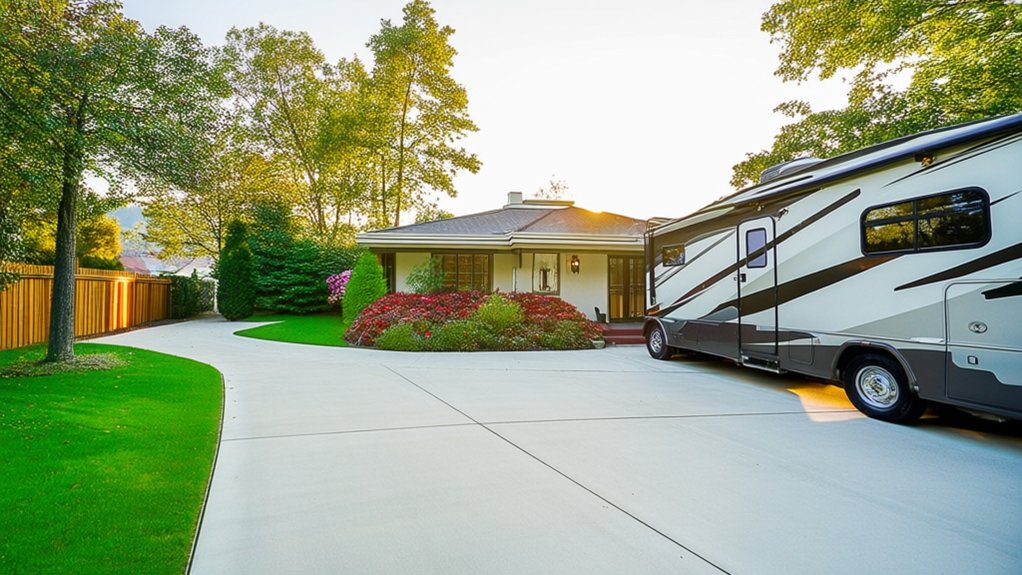
You can park an RV on your property if you follow local zoning laws, HOA rules, and surface requirements. Typically, short-term parking under 48 hours doesn’t need permits, but long-term or permanent parking often does.
You’ll also need to use approved surfaces like concrete or gravel and respect setback and placement rules. Violating these can lead to fines or community disputes.
Understanding these regulations will help you guarantee compliant and hassle-free RV parking at home. It’s worth checking with your local authorities or HOA before you park to avoid any surprises.
Can You Park an RV on Your Property?
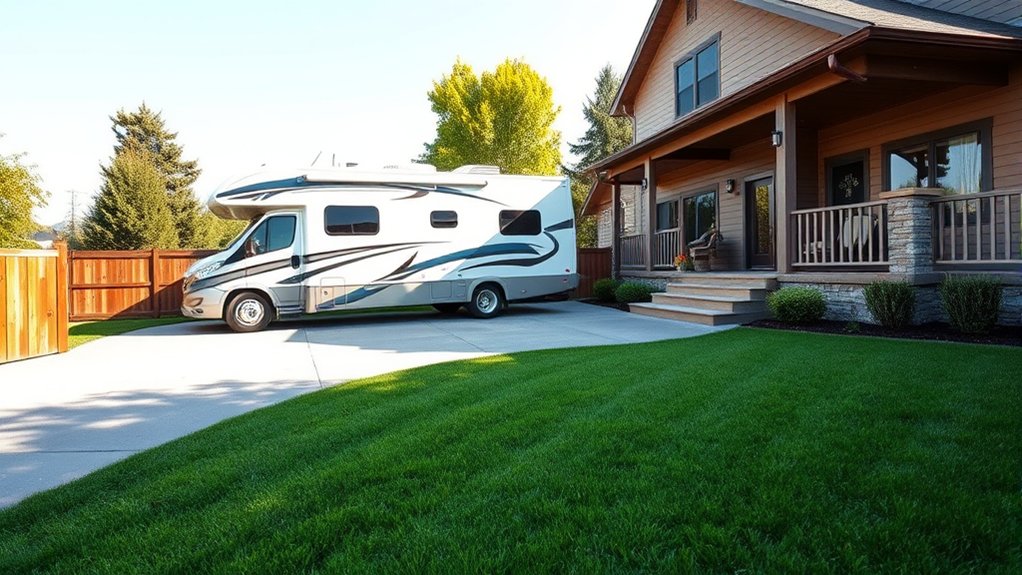
Although parking an RV on your property might seem straightforward, local zoning laws and municipal regulations often impose specific restrictions that you must consider. Whether you can park an RV depends largely on your city or county’s rules, which vary a lot.
Many places require permits or limit RV parking in residential zones, especially for extended or permanent use.
Permits are often needed, and extended RV parking in residential areas may be restricted or prohibited.
Restrictions often prohibit parking in front yards or in designated setback areas without explicit approval. Plus, local ordinances might only allow RV parking for short periods, like 48 or 72 hours.
So, it’s important to check what your area allows before you park your RV.
To make sure you’re following the rules, you should reach out to your city’s zoning department or code enforcement office.
Knowing these regulations beforehand helps you avoid any penalties or enforcement actions.
It’s always better to be safe than sorry when it comes to parking your RV on your property.
Key Local Laws That Govern RV Parking at Home
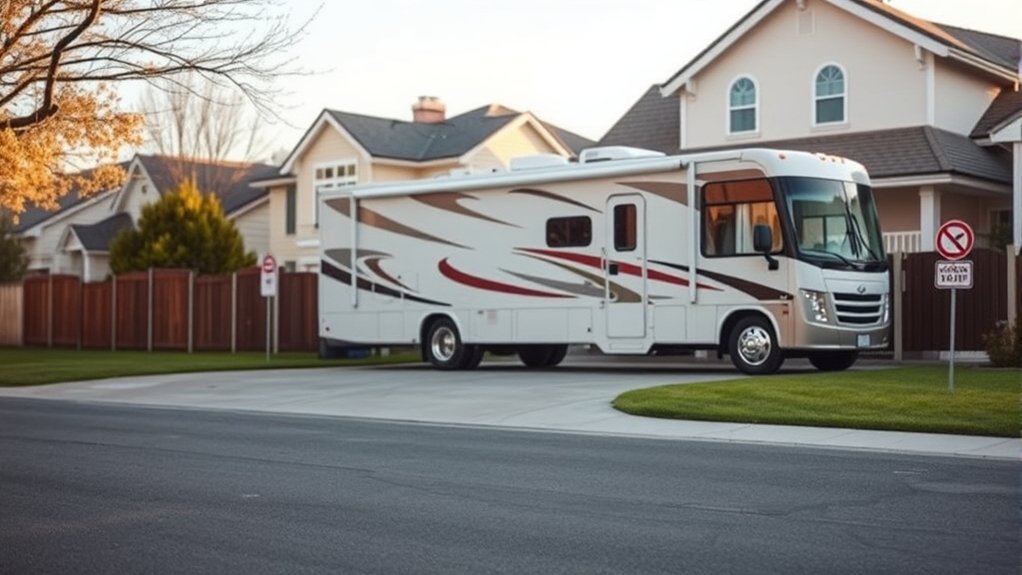
Before you park an RV on your property, it’s important to know the specific parking duration limits set by your local laws. These rules can vary quite a bit depending on where you live.
Usually, regulations require that RVs be parked only on approved surfaces, such as driveways or hardstands. So, parking on lawns or unpaved areas is typically not allowed.
Following these guidelines is a smart move because it helps you avoid fines or any enforcement actions. Staying informed and compliant makes owning an RV much easier!
Parking Duration Limits
When parking an RV on your property, local laws often impose strict duration limits to prevent prolonged occupancy. Many ordinances restrict RV parking to 24-48 hours without a permit, aiming to discourage long-term storage in residential areas.
Some cities allow up to 72 hours on streets but typically for loading or emergencies.
Enforcement usually responds to citizen complaints, with citations issued if the RV remains unattended beyond the allotted time. Additionally, regulations may mandate minimum distances, commonly 30 feet, from street corners or intersections to promote safety and visibility.
Understanding these time constraints is vital to avoid penalties. If you plan to keep your RV parked longer, securing the necessary permits or adhering to specific local codes is essential to remain compliant with municipal regulations.
Property Surface Requirements
Because local zoning ordinances regulate RV parking on residential property, understanding surface requirements is essential for compliance. Many jurisdictions require you to park your RV on a hard, improved surface such as concrete, asphalt, or gravel. This prevents soil erosion, property damage, and maintains a neat appearance.
Parking directly on natural surfaces like grass or dirt is often prohibited. Additionally, local codes or HOA rules may impose setback requirements, mandating specific distances between your RV and property lines or structures.
You also need to be aware of any designated parking areas on your property, as some laws limit RV parking to these zones.
Following these surface and placement regulations not only guarantees compliance but also protects your property and the neighborhood’s look. So, it’s a good idea to check your local rules before you park. That way, you avoid fines and keep your place looking great.
How HOA Rules Restrict or Allow RV Parking
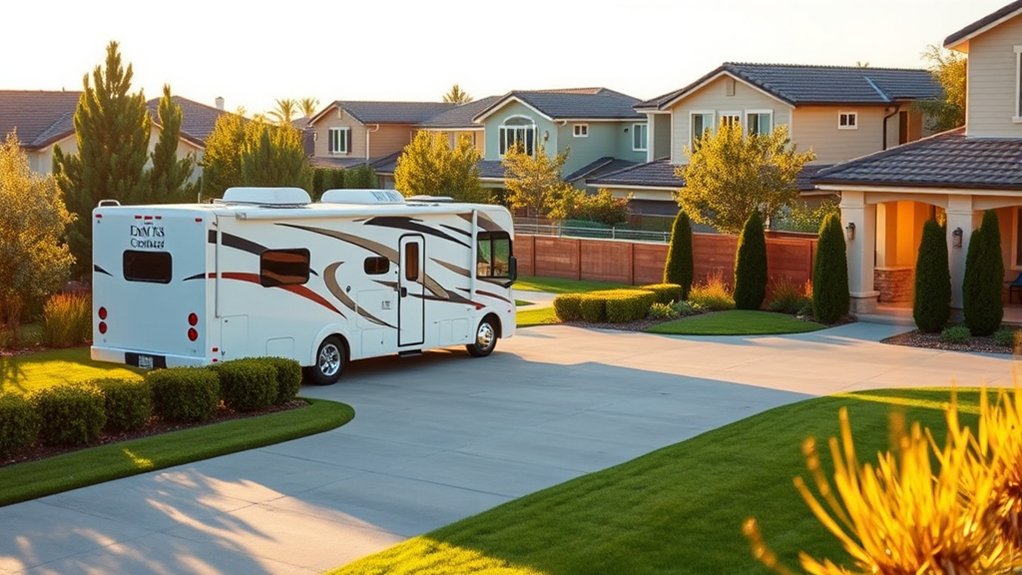
Although regulations vary considerably across communities, HOA rules play a crucial role in determining whether you can park an RV on your property. Many associations prohibit overnight RV storage altogether, while others designate specific parking areas. You’ll often find restrictions against parking RVs on streets or driveways to preserve neighborhood aesthetics.
HOA rules often restrict RV parking to specific areas, banning overnight storage on streets or driveways to maintain neighborhood appeal.
Some HOAs require you to store your RV out of sight, such as inside a garage or behind fences, ensuring compliance with community guidelines. Additionally, size and length limits may apply, restricting larger vehicles.
If you violate these rules, expect fines, warnings, or orders to remove your RV.
Understanding and adhering to your HOA’s specific regulations is essential to avoid penalties and maintain harmony within your community. It’s a good idea to check your HOA’s rules carefully before parking your RV to keep everything smooth and stress-free.
What Residential Zoning Means for Your RV
Since residential zoning laws differ widely by municipality, you must understand how these regulations affect where and for how long you can park an RV on your property. Many local codes restrict RV parking to designated areas such as driveways or specific yard locations, often limiting the number of RVs allowed.
Some jurisdictions classify RVs as temporary structures, others as vehicles, which impacts their legal parking status and the need for permits or variances. Permanent parking or long-term residence in an RV often requires special approval or is outright prohibited.
To avoid fines or legal complications, you should consult your local zoning ordinances carefully before parking your RV.
Thoroughly understanding these rules guarantees compliance and informs how you can utilize your property for RV storage.
What Kind of Surface Do You Need for RV Parking?
When picking a surface for your RV parking, it’s important to keep local ordinance guidelines in mind. Some places actually require hard surfaces like concrete or asphalt.
So, it’s a good idea to choose materials that are allowed in your area to stay compliant and make sure your RV stays stable over time.
You might want to weigh your options, like gravel with proper compaction versus paved surfaces. This way, you can find the right balance between cost, maintenance, and what the rules say.
It’s all about finding a solution that works best for you and your RV.
Hard Surface Requirements
When parking an RV on your property, local ordinances often require it to rest on a hard surface such as concrete, asphalt, or compacted gravel. These materials provide the necessary stability and prevent damage to both your vehicle and the ground beneath it.
Many municipalities mandate that RVs be parked on designated paved areas or driveways to comply with zoning laws.
Surfaces like dirt or grass usually don’t meet these requirements because of erosion risks and maintenance challenges, especially for long-term parking.
Plus, regulations often specify that the chosen surface must support the RV’s weight without sinking or causing ground damage.
You might also need to follow local building codes or HOA rules, which can define minimum thickness or the type of surface allowed for legal RV parking on private property.
Permissible Parking Materials
Meeting local regulations for RV parking involves more than just selecting a hard surface; understanding which materials are permissible is equally important. You should opt for concrete, asphalt, or properly stabilized gravel, as these materials comply with most zoning requirements.
Concrete pads and asphalt driveways offer durable, level surfaces that prevent damage and meet safety standards. Gravel is a cost-effective alternative but requires careful grading and stabilization to avoid shifting or rutting.
Avoid unimproved surfaces like dirt or grass, as they often violate regulations or demand special permits, especially in regions prone to heavy rainfall or snow. Making sure the surface material is approved not only satisfies legal mandates but also protects your RV and property from potential damage caused by inadequate parking conditions.
Local Ordinance Guidelines
Although local ordinances vary, many require RV parking surfaces to be paved, gravel, or other hard, level materials to prevent erosion and structural damage. You may find that certain jurisdictions specifically mandate concrete or asphalt pads to meet zoning and safety standards. Parking on unimproved surfaces like dirt or grass often violates regulations due to drainage and maintenance issues.
Additionally, codes typically require the surface to be properly graded and stabilized to support the RV’s weight. You must also guarantee the parking area remains within your property lines and doesn’t encroach on sidewalks or easements.
Understanding these local guidelines is essential to avoid violations and protect both your property and the surrounding environment. Compliance ensures your RV parking is legally sound and structurally secure.
How Long Can You Leave Your RV Parked Legally?
Because regulations vary widely across jurisdictions, you should verify local rules before parking your RV on private property. Understanding the legal parking duration is essential to avoid penalties or forced removal. Here are key points to deliberate:
Many cities permit RV parking on private property for up to 72 hours without a permit, but this isn’t universal. Some areas allow long-term parking if zoning laws and ordinances explicitly permit it.
Street parking restrictions often limit RV parking to 48 hours unless otherwise designated.
Certain municipalities require periodic relocation or storage in approved areas to comply with nuisance or zoning regulations.
When Do You Need a Permit to Park an RV at Home?
Understanding how long you can legally leave your RV parked on your property naturally leads to questions about permits. Typically, if you plan to park your RV long-term or permanently, most local zoning laws require you to obtain a permit.
Short-term or recreational parking, often under 48 hours, usually doesn’t need one. However, if you use your RV as a dwelling or park it in violation of setback or zoning rules, a permit becomes necessary.
Additionally, if you install utilities or make property improvements to accommodate your RV, local authorities may require permits.
Since requirements vary considerably by city, county, and state, you should consult your local planning or building department to ensure compliance before parking your RV at home.
Pros and Cons of Street vs. Off-Street RV Parking
You’ll find that street parking for your RV often comes with strict time limits and potential neighbor complaints, especially in urban areas. It can be a bit tricky to manage since you have to keep an eye on those restrictions to avoid tickets or towing.
On the other hand, off-street parking gives you a more secure spot for long-term storage. It’s usually safer and less likely to cause any issues with neighbors. However, keep in mind that you might need to make some changes to your property, which could mean extra costs.
Street Parking Challenges
While street parking may offer quick and convenient access for your RV, it often comes with strict limitations and potential conflicts. You have to navigate local ordinances that usually restrict parking duration to 48-72 hours. If you go over that limit, you risk enforcement or even towing.
Also, parking near intersections or designated zones is often off-limits to keep things safe and maintain good visibility. Street parking can sometimes spark neighbor disputes too, especially if people feel your RV is blocking views or making the neighborhood look cluttered.
Here are some things to think about:
- Limited parking duration means you’re more likely to face enforcement.
- Restrictions near corners cut down the number of available spots.
- Neighbor complaints could strain your relationships.
- Plus, your RV is more exposed to weather and security risks.
Knowing these challenges can help you figure out if street parking really fits your RV storage needs.
Off-Street Parking Benefits
Although off-street parking often requires permits and some upfront investment, it offers significant advantages over street parking. You get enhanced security, protection from the weather, and greater privacy.
When you park your RV on private property, you avoid street parking restrictions. This means less risk of citations or impoundment. Off-street options like driveways or dedicated pads shield your RV from environmental damage and provide a more secure environment.
Plus, off-street parking helps minimize neighborhood conflicts and complaints, which keeps good relations intact. While the initial costs and permit requirements might seem like a hassle, the convenience for long-term stays is worth it. It also makes access to utilities easier.
Affordable RV Storage Options Near You
When seeking affordable RV storage options near you, it’s important to weigh costs against convenience and security. Renting off-site storage yards typically costs $30 to $150 monthly, varying by location and amenities.
Covered storage protects your RV from weather, which helps extend its lifespan.
Peer-to-peer platforms like Neighbor offer cost-effective local storage and are often cheaper than commercial options.
Consider these key factors when choosing your storage:
- Monthly storage fees and included services.
- Protection level, like covered versus open-air storage.
- Proximity to your home for easy access.
- Security measures to prevent theft and vandalism.
Choosing a secure, affordable storage solution balances your budget with peace of mind. This way, your RV stays safe and accessible without breaking any local rules.
Tips to Avoid Fines When Parking Your RV
Since local regulations and homeowner association rules vary widely, you should confirm them before parking your RV on your property to avoid fines. Begin by reviewing zoning laws and HOA guidelines to verify that parking is permitted.
Always position your RV on an improved surface, such as a driveway or concrete pad, to comply with city ordinances and prevent violations.
Make sure your RV stays within your property boundaries. Avoid sidewalks and street corners to keep clear of citations.
If you need to park on the street, be sure to follow the maximum allowed duration, which is usually 24 to 48 hours.
Finally, check that all waste disposal, sewer connections, and utility hookups meet local regulations. This helps prevent fines related to illegal dumping or improper connections.
Following these steps will help you avoid penalties effectively.
Frequently Asked Questions
Can I Use My RV as a Guest House or Rental Unit?
You can use your RV as a guest house or rental unit only if you comply with local zoning laws, obtain necessary permits, guarantee utility hookups, and meet safety and occupancy standards set by your municipality.
Basically, check with your city or county to see what’s allowed. You’ll want to make sure everything is up to code before you move forward.
It’s important to get the right permits and ensure your RV has proper utilities like water, electricity, and sewage connections. Safety standards and occupancy limits also need to be met to keep everyone secure and comfortable.
How Do Weather Conditions Affect RV Parking on My Property?
You must consider weather’s impact on your RV parking. Heavy rain risks flooding, cold causes ice hazards, and wind threatens stability.
Sun degrades materials over time, so keep that in mind. Severe storms might require you to relocate or secure your RV.
Taking these steps helps protect your RV’s condition and keeps it safe.
Are There Insurance Requirements for Parking an RV at Home?
Yes, you’ll need insurance covering both your RV and liability when it’s parked at home. It’s important to let your insurer know if you plan on long-term parking.
Policies might require specific coverage or certain security measures to keep your eligibility. Plus, this helps you stay compliant with local regulations. So, a quick heads-up to your insurance provider goes a long way!
Can I Make Permanent Utility Hookups for My RV?
You can install permanent utility hookups for your RV, but you’ll need permits and inspections. You might also require licensed contractors to do the job.
Local codes often demand anchoring and adherence to residential standards. So, it’s really important to check with local authorities before you start.
That way, you’ll avoid any surprises and make sure everything is up to code. It’s always better to be safe than sorry!
What Landscaping Considerations Improve RV Parking Aesthetics?
You should use gravel or pavers for a clean surface, add low-maintenance shrubs for visual appeal and shade, and incorporate edging to define the space. Guarantee proper drainage to prevent erosion.
Also, consider installing lighting or planters to really elevate the aesthetics. These little touches can make a big difference in how inviting your RV parking area feels.
Conclusion
So, you want to park your RV at home, but local laws, HOA rules, and zoning might just turn your dream into a legal nightmare. Ironically, the convenience of parking right outside your door often demands more permits and surface prep than a new driveway.
While you weigh street versus off-street options, remember: avoiding fines is less about freedom and more about maneuvering a maze of regulations designed to keep your RV exactly where you don’t want it.